
Good Schools of India
Joy of Learning Weekly #71

Emerging Literacies
The Literacy Project for Educators is a specialised initiative—powered by the Good Schools Alliance and Learning Forward India—designed to empower teachers with practical, everyday life skills beyond standard textbooks. It focuses on enhancing teacher well-being and capability by building proficiency in Financial, Food, and Emerging Literacies (such as AI).
Core Focus Areas
The curriculum is typically structured to target three essential domains for educators:
Financial Literacy: Equipping teachers with essential knowledge regarding personal finance, investment, and money management to secure their own futures.
Food Literacy: Providing practical insights into nutrition, mindful eating habits, and the basics of daily sustenance.
Emerging Literacies: Helping educators adapt to the future of the classroom by integrating Artificial Intelligence (AI) and modern digital tools into their routines.
Objectives & Benefits
Holistic Growth: It shifts the focus to the “Happy Teachers” concept, prioritising the educator’s personal and professional development.
Life Skills: Emphasises knowledge that affects teachers’ daily lives outside school, thereby fostering a more relaxed, better learning environment in the classroom.
Capacity Building: Serves to reduce educator burnout by providing them with the necessary tools to navigate both traditional pedagogical demands and modern technological shifts.
If you are looking to bring this or a similar training program to your institution, let me know:
Are you looking for online modules or in-person workshops?
What specific literacy area (Financial, Food, or AI/Digital) are you most interested in prioritising?
What grade levels do the educators at your school teach?
I can provide more targeted resources or proposal frameworks to help you get started.
With best wishes
Sandeep Dutt
Founder of Good Schools Alliance and the Learning Forward India Foundation
We are working together to create a better India, one that celebrates diversity, ensures everyone feels included and has a sense of belonging. By investing in the personal and social growth of our teachers, we are making a real difference. Discover our Special Projects initiative and learn how schools are collaborating to empower educators nationwide so that no child is left behind. #JoyOfGiving
Book Cafe
What makes independent bookstores even more special is the experience they create. Buying a book from a bookstore is rarely just a transaction. There is something deeply personal about walking through shelves, picking up books, reading back covers, and stumbling upon a title you were not looking for but somehow needed.
Independent bookstores also offer something that algorithms cannot replicate: human connection. A bookseller (shelf-mates) can understand not just what a reader buys, but what they are seeking.
These bookstores also become an important part of a city’s cultural identity. Places like The English Book Depot in Dehradun are more than retail spaces; they become landmarks of memory. Generations of readers walk through the same doors, carrying different stories but sharing the same love for books.

Are you creative? Is Creativity the preserve of a select few―or is it something we all possess? And is Creativity the same as intelligence? Everyday Creativity explores these questions and more, drawing inspiration and insight from remarkable creators across art, science, politics, sports and even the military. From Amir Khusro to A.R. Rahman, and Leonardo da Vinci to Haruki Murakami, the book distils timeless practices that can help you unlock your own creative potential. Complementing these stories are over twenty-five proven methods of creative problem-solving―designed to move you beyond common sense and towards a more structured, powerful approach to thinking creatively.
Books of the Week

Reading about Fear and Courage
Key Takeaways
Overcoming Fear: Roma’s “So what?” mantra and sharing her own GD (Ground Discussion) experience helped students overcome stage fright, proving that vulnerability and practical strategies are effective teaching tools.
Leadership Defined: Brainstorming defined leadership as vision, determination, and the ability to turn adversity into opportunity. Examples such as Richard Branson (dyslexia) and Thomas Edison (1,000 failures) show that success is built on persistence.
Teaching Philosophy: The core lesson is “every child must succeed.” Teaching is about helping all students—the “tortoise” and the “hare”—reach the finish line, not just focusing on high-achievers.
Logistics Update:
The Learning Forward Saturday session time changes to 3:30 pm starting July 4.
The new, simpler domain www.
DilJeeto.comlinks directly to the Teachers Academy website.
The Heart of a Good School: Reflections on the 3Rs
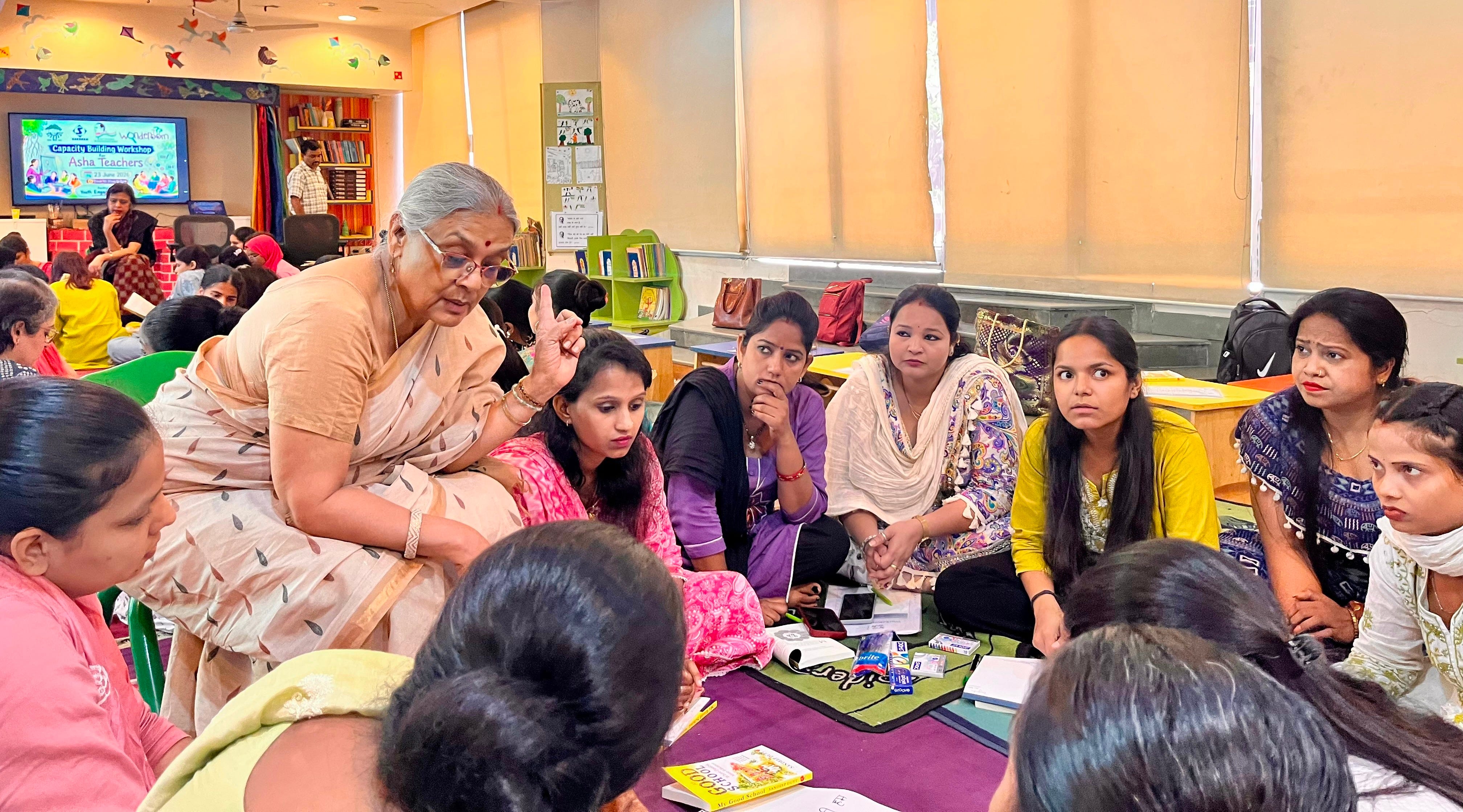
It was a humbling experience to lead a small training session on behalf of the Good Schools Alliance for a group of volunteer teachers from ASHA, which has been working to educate not-so-privileged children across NCR and other regions. Humbling because these volunteers are giving of their time and sharing what little education they have. They are eager to learn and yearn for training.
Giving back what I have gained in all these years of teaching to those who are keen to learn was rewarding and enriching! Today, as on other such occasions, I thank the Almighty for the opportunities of sharing the joys of learning!!
- Brinda Ghosh, Coach Good Schools Alliance
Reading, Reflection and Relationships
When educators intentionally weave these 3Rs into their daily practice, they act as a catalyst. They are the vital ingredients that transform an ordinary learning space into a truly “good school.”
Importance of kindness and encouragement
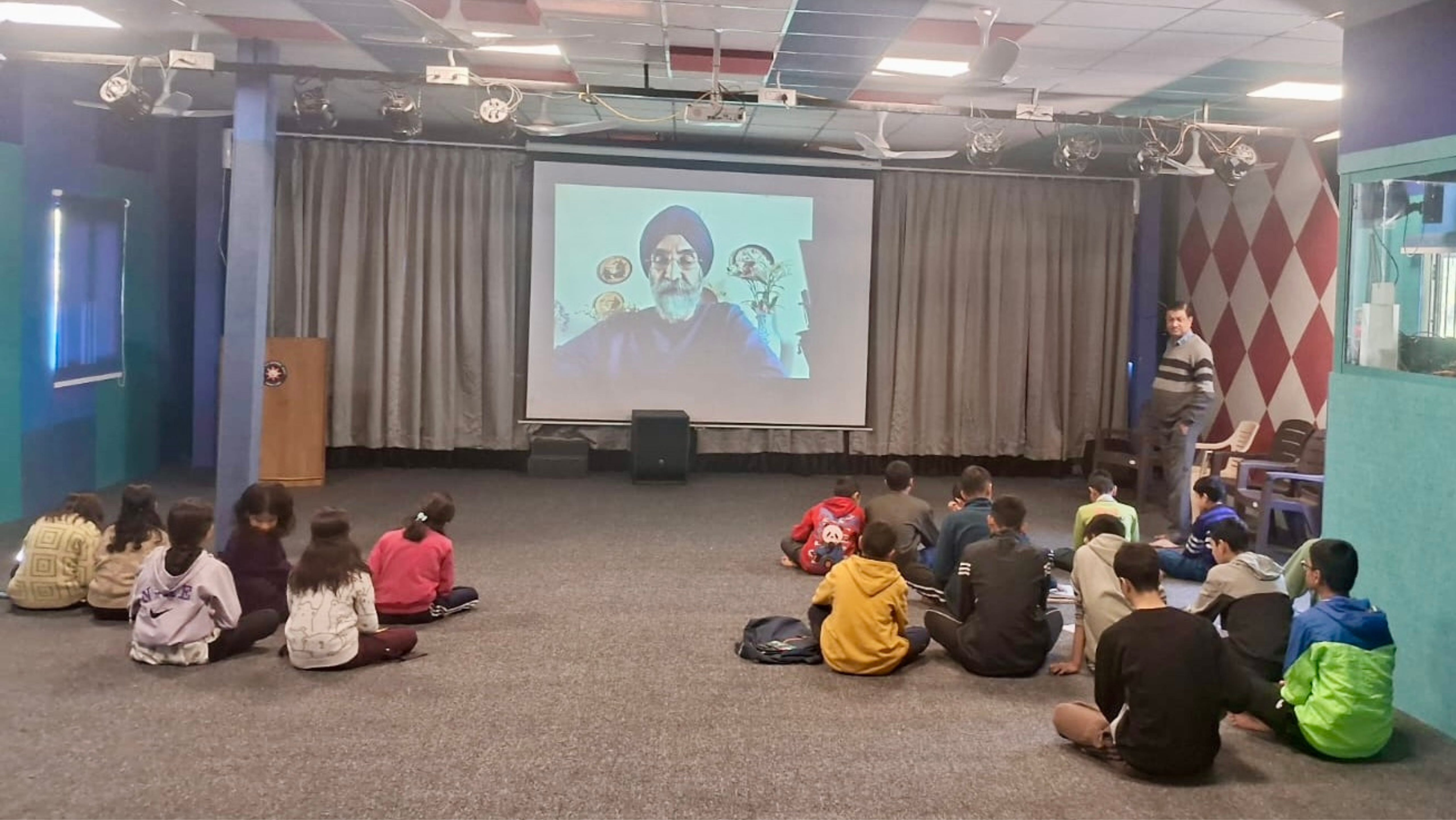
The Sunday School session taught me the importance of kindness, encouragement, family support, and a positive outlook towards both work and family life.
Ishika Singh, 10th B, Sunbeam School Ballia